Your neck hurts, so you stretch it, change your pillow, get a massage or take a break from the computer. It may start to feel better… only for the pain to come back a few days or weeks later.
If that cycle sounds familiar, the bigger question may not be how to get temporary relief. It may be why your neck pain keeps returning in the first place.
Recurring neck pain can involve several overlapping factors, from long hours at a desk and limited movement to previous injuries, muscle tension or problems with how the neck is moving. Forward head posture, sometimes called “tech neck,” may also play a role for some people. Understanding what’s contributing to the problem is an important step toward longer-lasting relief.
Why Neck Pain Keeps Coming Back
Neck pain can improve for a while when the muscles have time to rest and still return later. Easing the pain during one flare-up does not always change everything that may be contributing to the pattern.
For some people, the issue is mostly related to daily habits and how long the neck stays in one position. For others, limited movement, muscle tension, a previous injury or several factors working together may be involved.
Prolonged Positions and Repetitive Strain
Your neck is designed to move, so spending long periods in the same position can become taxing on the neck.
This may happen when you:
- Work at a computer for several hours at a time
- Spend long periods looking down at a phone or tablet
- Drive for extended periods
- Regularly turn toward a second monitor
- Perform repetitive tasks at work
- Return to the same position or activity that tends to aggravate your symptoms
The exact position may not be the only issue. Sometimes simply staying in one position for too long can matter just as much.
Stiffness, Limited Movement and Muscle Tension
Recurring neck pain can also be connected to how well the neck and surrounding areas are moving.
If certain joints feel stiff or restricted, other muscles and areas may have to work harder during normal activities. Over time, this can contribute to tension, fatigue or discomfort around the neck, shoulders and upper back.
You may notice things like:
- Difficulty turning your head fully in one direction
- Tightness near the base of the skull
- Shoulder or upper-back tension
- Discomfort after sitting for long periods
- Pain that improves with movement but returns later
- Certain motions repeatedly bringing the symptoms back
Previous Injuries
Neck pain can be linked to less obvious injuries. Whiplash from a car accident, a sports injury, a fall or another past trauma may still be relevant, even if it happened months or years ago.
The original pain may have improved while stiffness, changes in movement or sensitivity remained. In some cases, symptoms do not become noticeable again until work, exercise or another activity places more demand on the area.
That’s why it’s recommended to mention previous head, neck or upper-back injuries during an evaluation, even if they did not seem serious at the time.
Temporary Relief vs. Recurring Neck Pain
Stretching, massage, heat, changing pillows or improving your workstation can all be useful for relieving neck discomfort. The problem is that relief does not always mean every contributing factor has been addressed.
For example:
- Massage may help relax tight muscles, but the tension may return if those muscles continue compensating for limited movement elsewhere.
- Stretching may provide temporary relief, while the same daily activity continues to irritate the area.
- A new pillow may improve your sleeping position without changing what happens during eight hours at a desk.
- Heat or ice may calm sore muscles during a flare-up without explaining why the same area keeps becoming irritated.
These strategies are all helpful and can be an important part of managing symptoms, but when neck pain repeatedly improves and then returns, we need to step back and look at the larger pattern.
One common piece of that pattern is the amount of time many of us now spend using phones, laptops and other screens.

What Is “Tech Neck” and Forward Head Posture?
“Tech neck” is a casual term used to describe neck discomfort associated with spending long periods looking down at phones, laptops and other screens.
One pattern often discussed alongside tech neck is forward head posture, where the head sits farther forward in relation to the shoulders. Holding the head in this position for long periods can increase the demand placed on muscles around the neck and upper back.
Some common symptoms are:
- Tightness at the base of the skull
- Neck and shoulder tension
- Stiffness after computer or phone use
- Difficulty comfortably turning the head
- Aching between the shoulder blades
- Headaches that seem to appear after long periods of screen use
Posture is only one part of the picture. There usually is not one universally “bad” posture responsible for recurring neck pain. How long you stay in a position can matter just as much as the position itself. Even a comfortable posture may become irritating after several hours without much movement.
A few simple ways to reduce repeated strain include:
- Raising your monitor closer to eye level
- Bringing your phone up instead of repeatedly looking down
- Changing sitting positions throughout the day
- Taking short movement breaks
- Avoiding holding a phone between your shoulder and ear
- Adjusting your workstation so you are not constantly turning toward one side
When Neck Pain Extends Beyond the Neck
Not every case of neck pain stays in the neck. Sometimes discomfort spreads into the shoulder, upper back, arm or hand. You may also experience:
- Numbness
- Tingling
- Burning or electric-like pain
- Weakness in the arm or hand
- Difficulty gripping objects
- Pain that becomes worse with certain neck movements
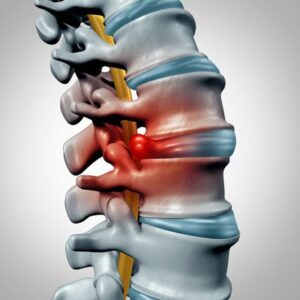
Symptoms like these can occur when a nerve in the neck is irritated or compressed, sometimes because of a herniated disc or other changes around the nerve. An evaluation can help determine what is actually happening rather than assuming the problem is simply muscle tension.
Seek prompt medical attention if neck pain follows a significant injury or occurs with severe or worsening weakness, difficulty walking, loss of coordination, bowel or bladder changes, fever or other unusual symptoms.
Neck Pain and Headaches
Neck pain and headaches can overlap too. Certain headaches originate from structures in the neck and are known as cervicogenic headaches. However, neck stiffness and discomfort can also occur with other headache types, including migraine.
If headaches are part of your recurring pattern, pay attention to whether they consistently occur alongside neck stiffness, restricted movement or certain neck positions. Those details are worth mentioning during your appointment and can help providers better understand the pattern.
How We Evaluate Recurring Neck Pain at Align Wellness Center
At Align Wellness Center in Northbrook, we look beyond where your neck happens to hurt that day. We want to understand when the problem started, why it keeps returning and which physical factors may be contributing to the pattern.
One part of our approach is Chiropractic BioPhysics, or CBP. CBP is a corrective chiropractic approach that looks at spinal structure, posture and movement patterns rather than focusing only on short-term symptom relief.
Spinal structure may also be part of that evaluation. When viewed from the side, the cervical spine normally has a gentle curve. Forward head position, changes in that curve and other alignment findings can provide useful information when considered alongside your symptoms, movement and physical examination.
Your evaluation may include:
- A conversation about your symptoms: We will talk through when your neck pain began, how often it returns, where you feel it and which movements or activities make it better or worse.
- A review of previous injuries: Car accidents, sports injuries, falls and other past trauma may still be relevant even when they happened years ago.
- Posture and movement assessment: We look at how your head, neck and upper body are positioned and how comfortably your neck moves in different directions.
- Orthopedic and neurological testing: These tests help us evaluate movement restrictions, possible nerve involvement, muscle weakness and other findings that may relate to your symptoms.
- 3D BioStructural Analysis: This gives us additional information about posture, spinal structure and your overall movement pattern.
- Spinal X-rays when appropriate: Imaging may help us better understand cervical alignment, the natural neck curve, structural changes or the effects of a previous injury.
- A personalized care plan: If we believe we can help, we will explain what we found and recommend care based on your individual needs.
Depending on findings, your plan may include gentle chiropractic adjustments, Chiropractic BioPhysics corrective care, spinal traction, corrective exercises, ergonomic recommendations or other supportive therapies.
We want to understand the recurring pattern and address the physical factors that may be keeping you stuck in the same cycle, with the goal of longer-lasting improvement rather than temporary relief.
If your neck pain keeps improving only to return again, call Align Wellness Center at (847) 564-9500 or schedule an appointment online. Our office is located at 666 Dundee Rd #401, Northbrook, IL 60062.
Frequently Asked Questions About Recurring Neck Pain
Why does my neck pain keep coming back?
Recurring neck pain can happen for many reasons, including long periods in the same position, limited movement, muscle tension, previous injuries and repeated daily activities. If the pain continues returning, an evaluation can help identify which factors may be most relevant in your case.
What is tech neck?
Tech neck is a common term for neck discomfort from spending long periods looking down at phones, laptops or other screens. Symptoms may include stiffness, shoulder tension, headaches or aching around the neck and upper back.
Is forward head posture bad?
Forward head posture is not automatically harmful or bad, but it can place more stress on the muscles and joints of the neck when it is held for long periods. If you regularly notice neck stiffness, tension or headaches after desk work or screen time, forward head posture may be one factor worth addressing.
Can fixing my posture get rid of neck pain?
Improving your workstation and changing positions more often may help reduce physical strain, but posture is rarely the only thing worth considering. Recurring neck pain can also involve stiffness, muscle weakness or tension, previous injuries and other cervical problems.
Why does stretching my neck only help for a little while?
Stretching can temporarily reduce stiffness or muscle tension, but symptoms may return if the activity, restricted movement or other factor contributing to the discomfort is still present.
Can an old whiplash injury cause neck pain years later?
It is possible, if the injury affected movement, sensitivity or other structures in the neck. Be sure to mention previous accidents or injuries during your evaluation even if the original pain seemed to resolve.
Do I need an X-ray for recurring neck pain?
Not everyone with neck pain needs an X-ray. We may recommend imaging when it could provide useful information about spinal alignment, degeneration, structural changes or a previous injury. X-rays are considered alongside your symptoms and physical examination.
Can chiropractic care help recurring neck pain?
Yes, chiropractic care for neck pain can be an effective option, particularly when joint restriction, limited movement, posture or other musculoskeletal factors are involved. At Align Wellness Center, we first evaluate what may be contributing to your symptoms and then develop a care plan based on those findings.
 (847) 564-9500